Nurse Career Paths: 10 Types of Nursing Jobs You Can Pursue as an RN and Beyond

Key takeaways
- Registered nurse roles now span hospitals, schools, clinics, and community programs.
- Registered nurse job openings average about 189,000 each year between 2024 and 2034.
- Advanced practice rnuegistered nurse jobs are expected to grow 35 percent from 2024 to 2034.
- Master’s and doctoral nursing degrees can lead to nurse practitioner, nurse midwife, and nurse anesthetist roles.
- RN licensure and BSN and MSN coursework can prepare nurses for clinical, education, and leadership settings.
This article was last updated on April 9, 2026.
It’s easy to think that a nurse's career path leads straight into a hospital or a physician’s office. But in the modern health care landscape, nurses' roles are rapidly expanding across a wide variety of settings. From direct patient care positions to administrative or educational roles, the nursing pathways available today are as diverse as the people pursuing them.
There are several reasons for the widespread, urgent need for nurses today, including an aging population, an increase in chronic conditions and the many nurses retiring. The Bureau of Labor Statistics projects approximately 189,000 openings for registered nurses each year between 2024 and 2034. This represents 5 percent growth in the profession, which is faster than the average for all occupations.
While growth in registered nursing is notable, the expected growth for advanced practice registered nurses (APRNs) is even more rapid. The Bureau of Labor Statistics projects that APRN roles will grow by 35 percent from 2024 to 2034, exceeding the overall growth rate for all occupations, including registered nurses.
Nurse practitioners are regularly cited as one of the fastest-growing occupations in the United States. These skilled health care professionals are needed to address primary care shortages, manage chronic diseases and provide cost-effective advanced health care. Patient-facing roles, however, are far from the only expanding opportunities for APRNs. From leadership and administrative positions to research and informatics roles, there are many rewarding roles for advanced practice nurses.
Consider 10 nursing jobs you can pursue as a registered nurse and beyond.
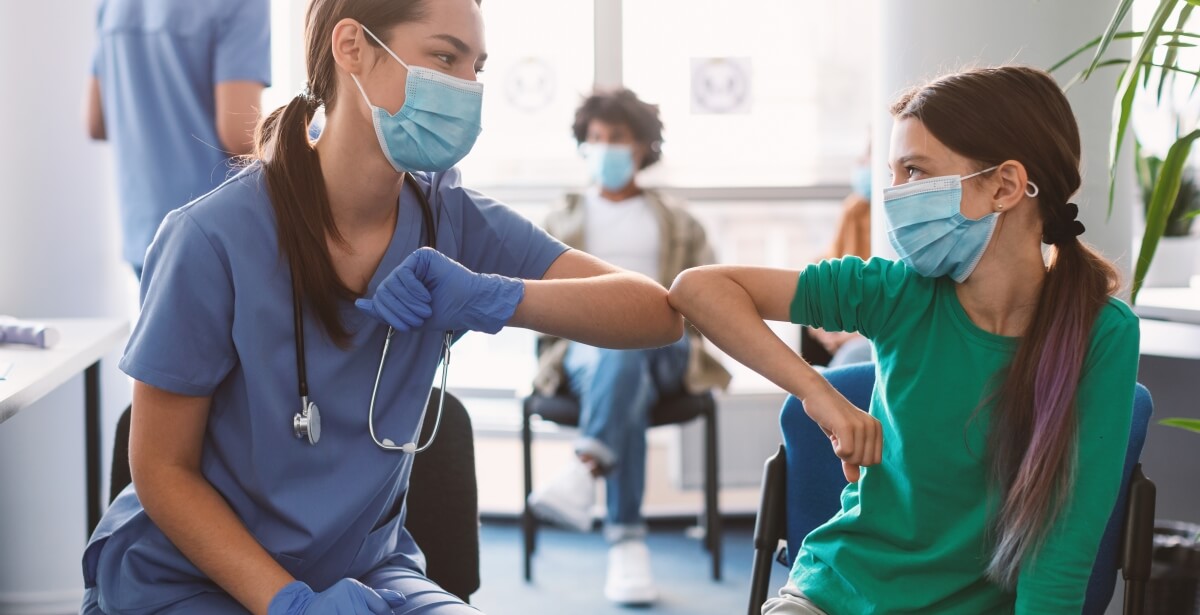
Direct Patient Care Roles for Registered Nurses and Beyond
Health care professionals who have completed either an BSN or MSN program and been licensed as registered nurses have many clinical roles available to them. In hospitals, private practices, schools and more, registered nurses apply their clinical expertise across many types of nursing jobs.
Hospital Nurse
As of 2024, the Bureau of Labor Statistics reports that 59 percent of registered nurses work in hospitals. These nurses provide and coordinate care for multiple patients while educating and emotionally supporting patients and their families. Registered nurses:
- Assess patients’ illnesses or injuries
- Document medical history and current symptoms
- Observe patients while in care
- Manage and administer medication and treatment plans
- Develop plans for ongoing care
- Consult with physicians and other health care professionals on patient care
Hospital RNs typically work 12-hour shifts, which allows many to schedule a three-day workweek. Other benefits include strong job security, flexibility for those interested in changing specialties and opportunities for short-term travel nursing assignments.
Hospital RNs interested in leadership roles or a broader scope of practice may consider earning a Master of Science in nursing degree. A minimum of a master’s degree is required for roles such as nurse practitioner, clinical nurse specialist, nurse midwife or nurse anesthetist. It is important to note that a doctoral degree is required to become a nurse anesthetist. These advance practice nursing roles offer nurses greater autonomy, the ability to prescribe medication and higher earning potential.
Annual average salaries for various hospital nursing positions include:
- Hospital registered nurses: $84,099
- Hospital nurse midwives and nurse practitioners: $137,790
- Nurse anesthetists: $223,210
Roles for nurse anesthetists, nurse midwives and nurse practitioners are expected to grow by 35 percent during the same time frame. This is significantly faster than the average for all occupations.
School Nurse
School nurses primarily serve students from prekindergarten through seniors in high school, though they also work at colleges and universities. School nurses are responsible for many aspects of student health care, including:
- Conducting health assessments
- Triage of acute illness
- Administration of medications
- Maintaining compliance records
- Completing health screenings
- Providing health promotion and health education activities
Some of the benefits of being a school nurse include a set daytime schedule, time off during school holidays and summers, and no overtime. School nurses also note that contributing to student health and wellness, which correlates to academic success, provides meaning to their roles.
School nurses with an RN license earn an average annual salary of $67,035.
Palliative Care Nurse
Palliative care nurses provide compassionate, holistic support to patients living with serious or terminal illnesses. These nurses improve patients’ quality of life through pain management, easing symptoms and offering emotional support to both patients and their families.
Registered nurses who want to work closely with interdisciplinary teams of physicians, social workers, chaplains and therapists may be especially suited for palliative care nursing. Together, these teams coordinate individualized care plans that address physical comfort and emotional well-being.
Palliative care nurses work in patients’ homes, nursing facilities or dedicated hospice centers. Beyond clinical expertise, they bring empathy, communication skills and emotional resilience to their work—helping patients navigate end-of-life journeys with dignity and compassion.
An advanced degree may be beneficial for palliative care nurses who are interested in:
- Diagnosing and managing symptoms
- Prescribing medications
- Leading care consultations
- Managing serious illness
These responsibilities fall within the scope of practice for a nurse practitioner, which requires a Master of Science in nursing or a Doctor of Nursing practice degree. Palliative care nurse practitioners may also work as palliative care program directors, hospice administrators or palliative care educators.
Palliative care RNs earn an average annual salary of $87,032. Advanced degrees leading to leadership roles may correlate with higher salary potential. Some experts expect a higher growth rate for palliative care nurses due to an aging population.
Ambulatory Care Nurse
Doctor’s offices and primary care clinics employ the second-largest number of nurses after hospitals. Ambulatory care nurses assist in preparing and assessing patients for outpatient care. They may work in:
- Orthopedic surgery centers
- Cardiology offices
- Pediatric offices
- Other outpatient specialty care clinics
Ambulatory care nurses benefit from regular, daytime business hours, a non-shift schedule and limited holiday work compared to hospital nurses. Registered nurses who want to establish long-term patient relationships and explore diverse specialties may especially enjoy ambulatory care nursing.
While a BSN is sufficient for many ambulatory care roles, nurses interested in leadership or management roles may want to consider a master of science in nursing.
Ambulatory care nurses earn an average annual salary of $99,067. The growth rate is expected to be high, as healthcare systems enhance outpatient care and focus on chronic disease management for an aging population.
Registered Nurse Health Coach
Registered nurse health coaches help clients set and reach health-related goals. While not all health coaches are RNs, the educational experience and licensure that registered nurses bring to the role allow them to provide a higher level of expertise, advocacy and patient education.
The responsibilities of a registered nurse health coach may include:
- Whole-person assessment that considers the physical, mental, emotional and spiritual needs of a patient or client
- Employing evidence-based strategies to help clients achieve goals and overcome health challenges
- Supporting clients in managing chronic illnesses
- Providing education and guidance that empowers the patient or client to guide their own healthcare journey
- Coordinating with an interdisciplinary team of health care professionals to provide comprehensive care
Registered nurses who are passionate about health and wellness may especially enjoy a career as an RN health coach. The Board of Medical Examiners has partnered with the National Board of Health and Wellness Coaches to offer a complete board certification examination and credential for health and wellness coaches.
These professionals often set their own schedules and rates, which provides flexibility that may increase job satisfaction and reduce the risk of burnout. Other benefits include increased earning potential, blending health care with entrepreneurship and diverse practice settings.
Registered nurse health coaches earn an average annual salary of $92,525. Roles for health education specialists are projected to grow 4 percent from 2024 to 2034, about as fast as the average for all occupations.
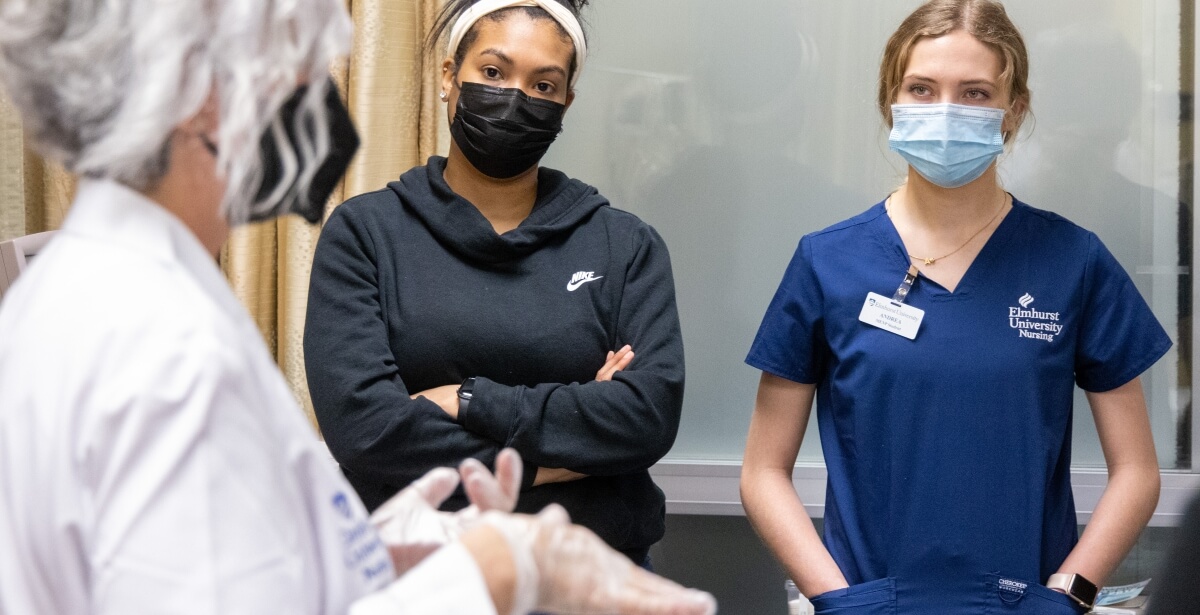
Nonclinical Roles for Registered Nurses
Registered nurses who are interested in roles that are not directly patient-facing have many job opportunities available to them. From informatics to forensics to public health, registered nurses are sought after in a variety of fields seeking to improve quality of life and promote better health outcomes.
Informatics Nurse
Informatics nurses combine RN training with information technology skills to produce meaningful, usable processes for tracking and documenting health-related information and content. Initially, RNs prepare for informatics nursing roles through continuing education classes and certification. A survey from the Healthcare Information and Management Systems Society (HIMSS) reports that 66 percent of nursing informatics professionals have a master’s degree.
The job responsibilities of an informatics nurse may include:
- Assisting students and faculty in electronically entering health records, clinic notes, evaluations and other data
- Training end users of technology systems
- Helping organizations and agencies maintain databases that show compliance with rules and regulations for quality care and education
Some informatics nurses work in hospitals while others are employed in academic institutions or external organizations. Many nursing informaticists find job satisfaction in their work to reduce medication errors and implement tools that improve patient safety and clinical decisions. Many nursing informatics roles take place during standard business hours and may allow for remote work.
Nurse informaticists earn an average annual salary of $98,409. Nurse informaticists who have a master’s degree may earn considerably more as they secure advanced roles such as managers or directors. Roles for medical and health services managers are projected to grow 28 percent from 2024 to 2034, much faster than the average for all occupations.
Legal and Forensic Nursing Roles
Legal nurse consultants conduct research and provide documentation related to medical or health conditions as they pertain to legal cases. These consultants use their nursing knowledge and practical experience to help make recommendations that may inform the outcomes of legal proceedings or insurance claims.
Similarly, forensic nurse examiners may provide information to courts and legal proceedings by collecting health-related evidence from crime scenes. Legal nurse consultants must be registered nurses with an active license. Forensic nurse examiners typically must hold at least a Bachelor of Science in nursing and have specialized training in the area of forensics, often through a master’s degree in nursing that focuses on forensics.
Legal nurse consultants earn an average annual salary of $87,681, while forensic nurse examiners earn $65,466. Nurses who want to advocate for patients and participate in seeking justice for vulnerable populations may especially thrive in these roles.
Utilization Review Nurse
Utilization review nurses typically work for insurance companies, hospitals or managed care organizations, serving as a bridge between clinical teams and payers. These nurses help balance patient care with cost-effective resource management through reviewing patient records, treatment plans and insurance claims. In doing so, they ensure that care meets established guidelines and coverage criteria.
Nurses who have strong analytical skills, pay great attention to detail and have a strong grasp of medical coding, clinical standards and health care regulations may especially thrive in this role. Utilization review nurses are detail-oriented documenters who can communicate clearly and confidently with relevant parties.
Utilization review nurses earn an average annual salary of $87,946. For utilization review nurses with advanced degrees, leadership and management roles may offer higher salary bands.
Health Educator
Health educators help individuals and communities improve their overall health and well-being through education, behavior change and lifestyle guidance. They design and deliver programs focused on a range of health and wellness factors, including:
- Nutrition
- Fitness
- Stress management
- Disease prevention
Health educators empower clients to make sustainable health choices in a variety of settings, including corporate wellness programs, community health organizations and private practices. Nurses who enjoy assessing client needs, setting achievable goals and tracking client progress may be a good fit for a position as a health educator. These individuals also need strong communication and motivational skills, as well as a clear understanding of public health principles and evidence-based wellness strategies.
The average annual salary for health education specialists is $63,000. Health educators who earn an advanced degree may increase their earning potential as they become eligible to teach in nursing programs or work in leadership or administrative roles. The Bureau of Labor Statistics projects that roles for health education specialists will grow by 4 percent between 2024 and 2034, which is about as fast as the average for all occupations.
Public Health Nurse
Public health nurses work to address health disparities and improve community-wide health outcomes. They may work in nonprofit organizations or community centers, developing and implementing programs that address their communities' health and wellness needs. A public health nurse’s job responsibilities may include:
- Identifying health challenges for a community and designing relevant programs
- Conducting screenings, vaccination drives and facilitating outbreak responses
- Offering health education workshops
- Connecting underserved populations with health resources and services
- Analyzing community health data to identify risk factors and evaluate programs
- Coordinating care for at-risk community members
Nurses who are especially interested in disease prevention, policy development and community wellbeing may especially enjoy this role. While RN licensure and a BSN are the typical qualifications for such a position, earning a master’s degree in nursing can significantly expand the scope of a public health nurse’s career. For example, the Centers for Disease Control and Prevention, as well as local and state health departments, often prefer or require graduate-level education for public health roles. Public health nurses with strong credentials may also be eligible for higher salaries and positions of greater influence.
Public health nurses earn an average annual salary of $78,437. Those who earn advanced degrees may qualify for leadership roles or administrative positions that correlate to significantly higher salaries.
Earn Your Nursing Degree Online with Elmhurst University
Whether you are exploring your initial career path or are interested in pursuing a second professional chapter, Elmhurst University can prepare you to succeed in the field of nursing.
Our online Accelerated BSN (ABSN) program can be completed in just 16 months for those who hold a bachelor’s degree in another discipline. This program equips students with the skills they need to provide exceptional care for patients across the lifespan through coursework, two on-campus residencies and clinical placements.
For those who are eager to lead as nurses, Elmhurst’s Master's Entry in Nursing Practice (MENP) is the first online program of its kind in the United States. Earn your MSN degree while preparing for Clinical Nurse Leader (CNL) certification, which establishes your credentials, improves your skills and elevates your career possibilities, in just 20 months.
The ABSN and MENP programs train students for thriving nursing careers through coursework that delves into topics such as epidemiology, family health nursing, and technology in health care. Our clinical placement team works closely with each student to ensure that placements meet University and national guidelines. Focus on your coursework while we identify and secure high-quality placement sites that provide the hands-on experience you need to launch your nursing career.
Take your first step toward promoting greater health outcomes and providing excellent patient care by learning more about Elmhurst University’s online nursing programs.
Frequently Asked Questions
Registered nurses can pursue direct patient care roles in hospitals, schools, palliative care, ambulatory care, and health coaching. Each setting uses nursing skills differently, from coordinating hospital treatment to supporting students or helping clients manage health goals.
Nonclinical nursing roles include informatics nurse, legal or forensic nurse, utilization review nurse, health educator, and public health nurse. These careers apply clinical knowledge to technology, legal review, education, insurance, or community health.
Registered nurses can work in schools, outpatient clinics, patients’ homes, nursing facilities, academic institutions, insurance companies, community organizations, and private practices. The available setting depends on the role, education, and experience required.
Hospital nurses assess patients, document health information, monitor changes, administer medications and treatments, develop ongoing care plans, and coordinate with other health care professionals. They also educate and support patients and their families.
School nurses support student health by conducting assessments, triaging acute illness, administering medications, maintaining compliance records, completing screenings, and providing health education. They primarily serve students from prekindergarten through high school, although some work in colleges and universities.
Palliative care nurses help patients with serious or terminal illnesses manage pain and symptoms while providing emotional support to patients and families. They also collaborate with interdisciplinary teams to coordinate individualized care focused on comfort and quality of life.
Ambulatory care nurses prepare and assess patients for outpatient care in settings such as surgery centers, specialty offices, and primary care clinics. The role can offer regular daytime hours and opportunities to build long-term patient relationships.
A registered nurse health coach assesses whole-person needs, uses evidence-based strategies to help clients pursue health goals, supports chronic illness management, and provides health education. The nurse may also coordinate with an interdisciplinary care team.
Informatics nurses combine nursing knowledge with information technology to improve how health information is entered, tracked, and used. Their work may include training system users, supporting databases, and implementing tools that improve patient safety and clinical decisions.
Legal nurse consultants research and document medical issues related to legal cases or insurance claims. Forensic nurse examiners collect health-related evidence and may provide information for courts or other legal proceedings.
Utilization review nurses examine patient records, treatment plans, and insurance claims to determine whether care meets established guidelines and coverage criteria. They often work for insurance companies, hospitals, or managed care organizations.
Nurse health educators help individuals and communities improve health through education, behavior change, and lifestyle guidance. They may design programs focused on nutrition, fitness, stress management, and disease prevention.
Public health nurses address community health needs by developing programs, conducting screenings and vaccination activities, providing health education, connecting people with services, and analyzing community health data. They may work in nonprofit organizations, community centers, or public agencies.