How to Become a Nurse
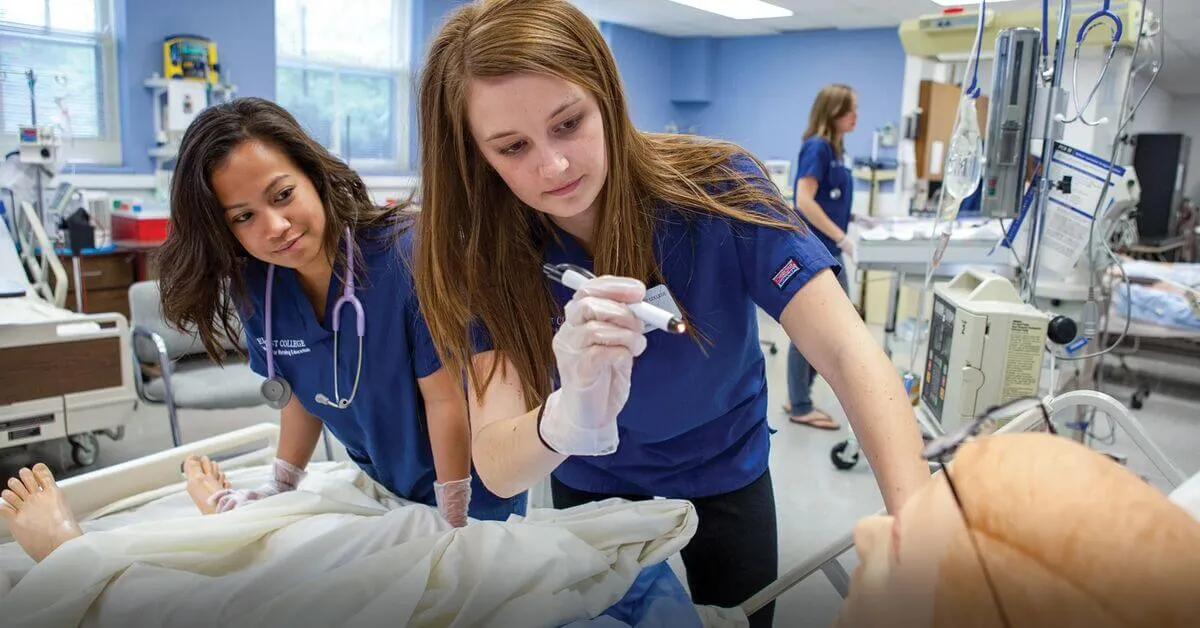
There has never been a greater need for compassionate, dedicated RNs. By 2030, one in three nurses will retire, leaving millions in need. And with 60% of RN job postings now requiring a bachelor’s degree*, the demand for highly trained nurses is only growing.
This is why fast-track degree options are more popular than ever – students have the option to shift to this rewarding and crucial career in only a few years.
Looking to make a difference in your community? Your journey to a meaningful, secure, and rewarding future starts here.
What Is the Fastest Way to Become an RN?
With the current healthcare shortages, nursing schools are offering more convenient and accelerated class options, making it easier for people to swap professions. Every day, thousands of people choose to shift gears in their professions and pursue a nursing career.
Choosing the Right Program
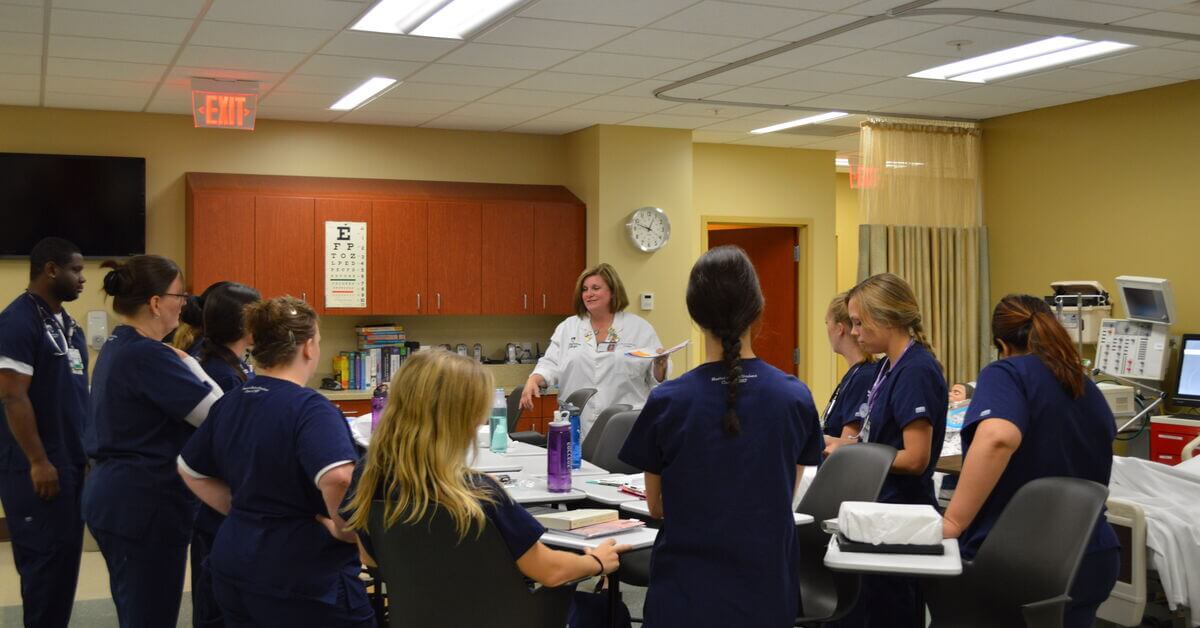
Online nursing education can be perfect for those switching careers, offering flexibility, cost savings, and a host of other benefits. These types of programs also appeal to future nurses who want educational options that go beyond what they have available in their communities.
Trying to decide which program to take?
Career Pathways After Graduation
The nursing field encompasses a wide array of specializations and job titles that offer growth opportunities, giving you the chance to build a nursing career with jobs that match your interests, skills, and professional goals.
Let’s take a look at five jobs that need influxes of new talent for the foreseeable future.
Want to Fast Track Your Education to Become a Nurse Practitioner?
Learn how the online direct entry MSN accelerates the pathway to nurse practitioner careers for non-nurses. This affordable, 100% online graduate degree can be completed in 20 months of full-time study. With an Elmhurst University MSN in hand, you’ll be ready for RN and Clinical Nursing Leader (CNL) certification exams.
Do Nurses Only Work in Hospitals?
No! Stats show approximately 42% of RNs are employed in non-hospital settings. Let’s dive into the variety of organizations RNs can find employment in.
Ready for the next steps?
Are you ready to start your journey toward a rewarding career in nursing? Access your free digital program guide and schedule a call with one of our enrollment advisors to learn how you can start your application and take the first step toward changing lives.
*Burning Glass Labor Insight, U.S. Bureau of Labor Statistics and AACN Nursing Shortage Fact Sheet
Frequently Asked Questions
The fastest route depends on previous education. Someone with a non-nursing bachelor’s degree may qualify for an accelerated nursing program that builds on completed college coursework, followed by the NCLEX-RN and state licensure.
Consider the degree awarded, program format, accreditation, clinical experience, licensure preparation, support services, and how the program fits your career goals. Prior education can affect which accelerated options are available.
Registered nurses do not work only in hospitals. They can also work in clinics, schools, long-term care, home health, community programs, telehealth, and other clinical or nonclinical settings.